
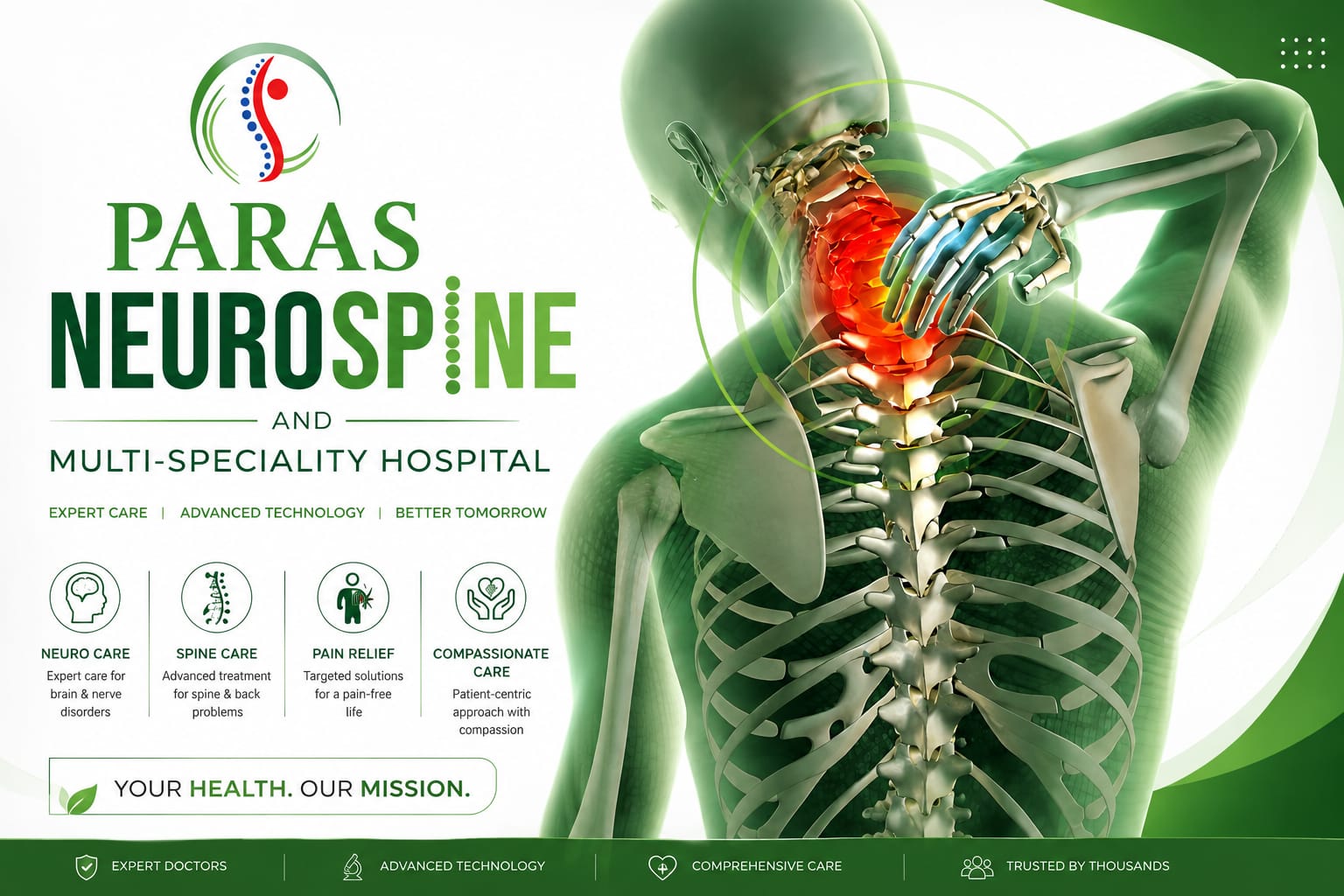
Neck pain is an issue many have, especially sitters- people who sit for long hours on a computer, reading books, cooking, or talking on the phone. If the neck pain is lasting or is associated with stiffness, numbness, or weakness, you may have more than just a muscle injury.
Cervical spondylosis: A very common neck problem due to ageing-related wear and tear of the bones, discs and joints of the neck. Fortunately, this is a condition that has to be controlled and which can usually be treated effectively with lifestyle changes or treatment.
What Is Cervical Spondylosis?
Cervical spondylosis is essentially a degenerative age-related change of the spinal disc and joints within the neck. The discs may become thin, and bony spurs may develop around the joints. This can sometimes irritate nearby nerves or the spinal cord itself, causing neck pain, stiffness, numbness or weakness. Cervical spondylosis has no established cause. The exact cause of cervical spondylosis is still unknown.
What Causes Cervical Spondylosis?
Age is one of the main causes, but several other factors can contribute to cervical spine degeneration.
- Ageing: The discs and joints naturally wear down over the years.
- Prolonged periods of poor posture – over extended periods of time, looking down at a computer or phone puts added strain on the neck area.
- Past neck injury: An old injury or sports injury may make it more likely to have neck problems.
- Repetitive activities: Activities or jobs that continually strain the neck can put stress on it.
- Lack of exercise: Weak muscles in the neck and upper back may not provide as much support to a weak cervical spine.
The symptoms start with pain and stiffness in the back of the neck. The early signs of cervical spondylosis are back-of-the-neck pain and stiffness.
What Are the Symptoms of Cervical Spondylosis?
- Pain in the neck and stiffness may increase if you have to sit or remain in the same position for a prolonged time.
- Shoulder pain occurs when the pain radiates from the neck to the shoulders or upper back.
- Numbness or tingling can result from a compressed nerve and will occur in the arms, hands, or fingers.
- Nerve pressure may make arms or hands weaker and affect their ability to hold onto objects or perform activities of daily living.
- Some may get a headache which begins around the back of the head/neck.
Routine medical check-ups are key if you are feeling symptoms or if these are intensifying or interfering with everyday life.
When Should You See a Doctor for Neck Pain?
If neck pain persists after doing nothing more than basic treatments or if it persists and/or returns again, seek medical advice.
Promptly get medical help if you experience significant weakness, leg weakness, numbness, or trouble with bladder and/or bowel control. These symptoms can be signs and symptoms of a serious problem of compression of the spinal cord.
How Is Cervical Spondylosis Diagnosed?
Typically, the most common starting point used by a doctor and known to all with some medical background is history and physical examination. Your doctor might suggest imaging tests like an MRI, X-ray, or CT scan depending on your symptoms.
An MRI is very helpful if the doctors want to search for any compression on either the spinal cord, discs, or nerves.
How Is Cervical Spondylosis Treated?
Some treatment choices for cervical spondylosis are:
- All medications prescribed by a doctor to relieve pain
- Physiotherapy and exercises
- Sitting and lying down
- Use heat or cold treatments as needed or appropriate
- Activity modification
- Surgery in specific patients when there is a large compression, nerve or spinal cord compression
The purpose of treatment is to decrease pain, enhance movement, and preserve nerve function.
Can Cervical Spondylosis Be Prevented?
While the changes age brings may be out of your control, healthy habits can safeguard your neck.
Sit properly, take breaks from screens regularly, avoid unnecessary strain on the spine, strengthen the neck and upper back muscles, and avoid standing or sitting for extended periods of time.
When Is Surgery Needed for Cervical Spondylosis?
If the symptoms of nerve or spinal cord compression are serious and do not go away, or if weakness or difficulty in walking persists, or if this is not helped by non-surgical treatment, cervical spine surgery may be an option.
Depending on the patient, some of these surgical procedures, such as cervical laminoplasty, may be suggested. The Options page of Paras Neuro-Spine’s website explains cervical laminoplasty.
| Neck pain shouldn’t control your daily life. Get expert evaluation and the right treatment before symptoms worsen. |
Why Choose Paras Neurosurgical Hospital for Cervical Spine Care?
When the nerves or the spinal cord are involved with neck issues, you’re going to need to find the best neurosurgery hospital. Paras Neurosurgical Hospital, also known as Paras Neuro-Spine & Multi-Specialty Hospital, offers treatments for brain and spine surgery in Lucknow, with facilities for neurological and spine surgery treatment and diagnosis.
Dr. Pramod Chaurasia (MBBS, MCh) is an MBBS doctor, Brain & Spine Specialist, Senior Consultant, and Director at the hospital. He has over two decades of experience, with more than 5000 brain and spinal surgeries successfully performed.
When cervical spondylosis leads to ongoing pain or nerve symptoms and/or compression on the spinal cord, it is particularly important that the patient is evaluated by an expert to determine their optimal treatment course. Dr. Pramod Chaurasia (MBBS, MCh, 20 years of experience) has expertise in neurological disorders of the brain and spine, including cervical myelopathy.
Conclusion
Neck pain is a normal part of getting older, but if the pain continues for long, there should be no reason to overlook it, as it can be a symptom of cervical spondylosis, which can cause weakness in the neck, make it hard to move the arm and shoulder, cause numbness in the arm and hand, or difficulty walking. Early diagnosis would be able to recognize the proper treatment before the symptoms become severe.
If you need expert evaluation and treatment, go to Dr. Pramod Chaurasia (MBBS, MCh) with over 20 years of experience at Paras Neuro-Spine & Multi-Specialty Hospital. Paras Neuro-Spine & Multi-Specialty Hospital offers you a great deal in neck and spine care.
FAQs
- What is cervical spondylosis?
Cervical spondylosis is something many people get as they grow older. It is related to normal wear and tear in the neck. Over time, the discs, bones, and joints may start to change.
- What are the common symptoms of cervical spondylosis?
Symptoms include anything from neck pain to stiffness, headache, shoulder pain, tingling or numbness in the arm and/or hand, as well as weakness.
- Is cervical spondylosis surgery necessary?
Yes. Most of my patients will find improvement with medications, exercise, physiotherapy, or other helpful contributors like the use of good posture and lifestyle modification.
- Why consult Dr. Pramod Chaurasia for cervical spondylosis?
Dr. Pramod Chaurasia (MBBS, MCh) has 20+ years of experience in brain and spine care and provides personalized treatment for cervical spine conditions.
- How can I contact Dr. Pramod Chaurasia?
You can contact Dr. Pramod Chaurasiya for a consultation by calling +91-9467820334 and discussing your cervical spine concerns.