
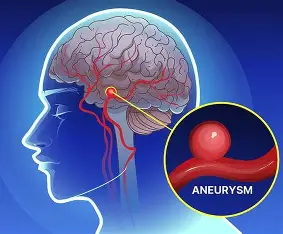
Most brain aneurysms develop slowly over time. However, some can develop suddenly without prior symptoms. One thing that you should bear in mind is may stay unruptured for a very long period and then, one day, decide to burst. Bursting of the aneurysm can have life-endangering consequences. So you must be ready to get medical help immediately. Understanding the symptoms, causes, and risk factors involved will definitely be beneficial for identifying it in the early stages before it is too late.
What Is a Brain Aneurysm?
When a blood vessel in your brain, due to various causes, weakens and forms a blood blister-like structure on its own or through some external force, that is called a cerebral aneurysm. An aneurysm is like a balloon that is filled with blood from within, and if the pressure becomes high enough for long enough, that could cause the balloon to burst, resulting in an intracranial bleed, i.e., bleeding inside your brain that can be fatal.
Only do so if the aneurysm is considered high risk; they may need to undergo additional imaging procedures and timely treatment.
| Don’t Ignore Warning Signs!
A severe headache is not always a migraine. Book a Neurosurgery Consultation |
What Are the Symptoms of a Brain Aneurysm?
Many people with unruptured brain aneurysms are unaware of the condition because such brain aneurysms generally do not cause any symptoms until the brain aneurysm has grown to a size where it may begin to press on adjacent structures, which then can also give rise to several symptoms.
- Sudden, severe headache: The headache is often described as the “worst headache of a lifetime”.
- Double or blurred vision
- Eye socket or above eye pain
- Eyelid drooping
- One-sided facial numbness or weakness.
- Speaking difficulty
- Balance or coordination loss
Bleeding from a ruptured brain aneurysm can have a set of very severe symptoms, one of which can be a brain hemorrhage (subarachnoid hemorrhage). Patients who have a ruptured brain aneurysm can have vomiting seizures very stiff neck confusion or, in worst cases, sudden loss of consciousness. Please get emergency care if you personally experience or witness anyone around you showing any of these symptoms mentioned above.
What Causes a Brain Aneurysm?
There is no known cause for a brain aneurysm, but there are several factors that can cause the blood vessel wall to weaken over time.
Common causes include:
- High blood pressure
- Smoking
- Head injury
- Congenital weakness in blood vessels
- Atherosclerosis (hardening of arteries)
- Family history of aneurysms
Manage any underlying conditions that may develop into an aneurysm.
How Is a Brain Aneurysm Diagnosed?
- MRI Scan
- CT Scan
- CT Angiography (CTA)
- MR Angiography (MRA)
- Cerebral Angiography
Early diagnosis of a brain aneurysm is crucial as it would enable a brain aneurysm specialist to plan the best possible treatment for it. A brain aneurysm may need to be put on observation or even put on medication in most of the cases. However, in some cases, it may require a surgical intervention where it is either coiled via an endovascular approach or clipped surgically.
Can a Brain Aneurysm Be Treated?
Yes. The treatment of a Brain aneurysm depends upon the size of the aneurysm, its location, and the risk of its rupture.
Common treatment options include:
- Regular monitoring for small aneurysms
- Blood pressure management
- Endovascular coiling
- Brain aneurysm clipping surgery
The most important thing is early treatment of an aneurysm in time, as it will reduce the chances of an aneurysm bursting and will also improve the long-term prognosis.
Who Is at Risk of a Brain Aneurysm?
Although there is no definitive cause of a brain aneurysm, there are several factors that may increase the risk of developing one.
- High blood pressure: When high blood pressure exists over a long period of time, it puts a lot of stress on the artery walls. Over time, the walls of the arteries can become weak in some spots. When this occurs, a portion of the artery can begin to bulge out, creating an aneurysm.
- Smoking: It can cause serious damage to your blood vessels. Smoking greatly increases your risk of forming an aneurysm and of it rupturing.
- Family history: A close family member with a brain aneurysm puts you at increased genetic risk for developing a brain aneurysm.
- Any adult can get a brain aneurysm, but most of them happen between the ages of 40 and 60. Most people who get a brain aneurysm are women.
- Other Risk Factors: Using excessive amounts of alcohol or drugs can lead to a brain aneurysm rupture. Many of these substances are stimulants; in particular, they can place a lot of pressure on your blood vessels. This can cause even a small, previously unaware aneurysm to burst.
Why Choose Paras Neurosurgical Hospital?
Paras Neurospine and Multi-Specialty Hospital is one of the many neurosurgical hospitals in the country. However, what distinguishes us is not only the treatment we provide for aneurysms and other neurological disorders under one roof, but also the most qualified Neurosurgical teams.
The best Lucknow Neurosurgeons, the ones whom you are entrusting your life to, are headed by Dr. Pramod Chaurasia (MBBS, MCh), a neurosurgeon with experience in the brain, spine, and strokes that spans over two decades. Dr. Pramod Chaurasiya (MBBS, MCh), who leads our neurosurgical hospital, is a brain and bone specialist as well as a brain stroke expert and is one of the best neurosurgeons who can treat neurological conditions like brain and spine tumors and aneurysms, and stroke, and that’s only possible if the neurosurgeon has over two decades of experience.
Conclusion
Brain aneurysms generally grow unnoticed because they do not cause symptoms. When you know what signs to look for and your risk factors for a cerebral aneurysm, it will help you live another day. The key to the successful management of a brain aneurysm is an earlier diagnosis and treatment.
If you are thinking about getting treated for an aneurysm or another neurological condition at the hands of experts, do not be afraid to drop in at Paras Neurospine and Multi-Specialty Hospital. Dr. Pramod Chaurasia (MBBS, MCh) will treat you, having been there on the ground for 20+ years.
FAQs
- What is a brain aneurysm?
A brain aneurysm is a small bulge or balloon on part of an artery in the brain due to weakness in the artery wall. It can rupture and cause bleeding in the brain.
- What is the first symptom of a brain aneurysm?
The very first sign of a brain aneurysm rupture is often described as a very severe and sudden onset of headache.
- Who is at higher risk of a brain aneurysm?
High blood pressure, smoking, family history of brain aneurysms, over 40 years of age, female.
- Can a brain aneurysm be treated?
Yes. Most aneurysms are treated with either endovascular coiling or surgical clipping. Some unruptured aneurysms can be monitored with regular computed tomography or MRI scans instead of treatment.
- When should I seek emergency care?
A person who is experiencing a severe headache or is having a seizure, has lost consciousness, or is suddenly experiencing loss of vision or speech should seek emergency care in the emergency room immediately.